
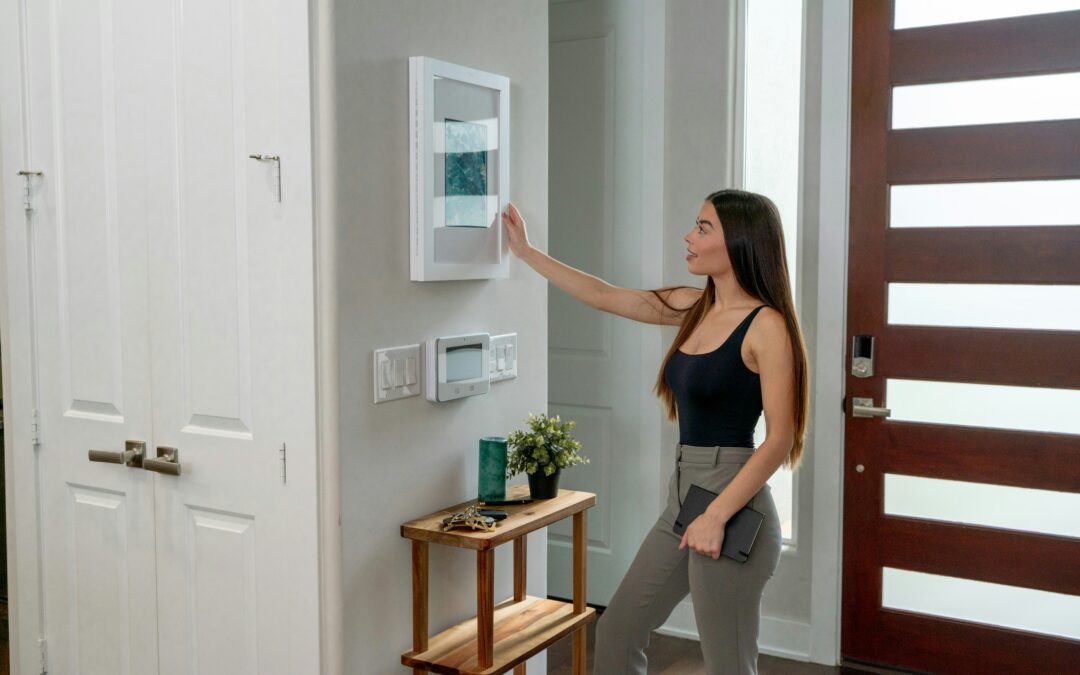

For decades, the most sophisticated capital allocation a homeowner could make was a new kitchen or a bathroom remodel. Today, the very definition of home value is undergoing a seismic shift.
The modern residence is no longer just a physical asset; it’s a dynamic, data-generating node in a connected ecosystem. As we move through 2026, the frontier of home investment has decisively moved from granite countertops to smart algorithms, from hardwood floors to integrated energy platforms. This is the domain of Property Technology, or PropTech—a sector that has matured from a novelty into a core component of residential wealth management. For the astute homeowner, understanding how to strategically invest in these technologies is no longer about convenience; it’s a critical calculation for enhancing livability, securing asset value, and generating tangible returns in an increasingly intelligent market.
From Gadgets to Ecosystem: The 2026 PropTech Landscape
Gone are the days of standalone smart speakers and Wi-Fi lightbulbs. The PropTech of 2026 is defined by integration, interoperability, and intelligence. The market has consolidated around a few dominant, open-architecture platforms that allow devices from various manufacturers to communicate seamlessly. This shift has transformed the investment thesis from buying discrete “gadgets” to curating a cohesive home operating system.
The core pillars now include:
- Hyper-Efficient Home Energy Management (HEM) Systems: These are no simple thermostats. Modern HEMs integrate with local utility grids, real-time energy pricing, solar battery storage, and even electric vehicle charging. They autonomously optimize consumption, shifting loads to off-peak hours and selling stored energy back to the grid during peak demand—a direct revenue stream.
- Proactive Health and Wellness Monitoring: Advanced air quality sensors, water purity monitors, and even passive sleep-tracking systems embedded in the environment provide continuous health assurance. For families or aging-in-place homeowners, this technology offers peace of mind and can significantly reduce long-term care premiums.
- AI-Powered Security and Maintenance: Computer vision has moved beyond doorbell cameras. Integrated systems now analyze patterns, differentiate between regular occupants and strangers, and predict maintenance issues—like alerting you to a subtle water pressure drop that indicates a pipe leak long before it causes damage.
The Investment Framework: Assessing ROI Beyond the Purchase Price
Evaluating PropTech requires a new financial lens. The smart homeowner must consider layered returns: direct financial, lifestyle, and asset-appreciation.
Calculating Direct Financial Returns
The most compelling investments offer a clear path to payback. Premium home energy management systems lead here. In 2026, with volatile energy markets and widespread time-of-use billing, a sophisticated HEM can deliver 15-25% reductions in annual utility costs. When paired with residential solar panel installation and battery storage, the system can achieve grid independence and create micro-revenue. The key is to engage with a certified smart home energy auditor who can model your specific payback period based on local utility rates and climate.
Enhancing Lifestyle and Intrinsic Value
Some returns are measured in well-being and time. Whole-home automation integrators design systems that learn your routines, managing lighting, climate, and entertainment seamlessly. This “invisible intelligence” reduces cognitive load and enhances daily living. For the luxury market or rental properties, this curated experience commands a premium, moving a home from a commodity to a bespoke service.
Boosting Resale Value and Marketability
Data from leading real estate valuation specialists now clearly shows a “Tech Premium.” A fully integrated, documented smart home system—especially one with proven energy savings and security—appraises higher and sells faster. It’s akin to having a recently renovated roof; it’s a modern expectation for high-value properties. Listing agents are now using “Smart Home Readiness” as a key marketing metric.
Strategic Allocation: Where to Deploy Capital in 2026
With a framework in place, where should the savvy homeowner focus their capital this year? Prioritize technologies that offer interoperability, have established industry standards (like Matter 3.0), and provide clear data access.
High-Priority Infrastructure (The “Nervous System”)
This is non-negotiable. Invest in robust, scalable Wi-Fi 7 mesh networks and a centralized smart home hub that supports local processing (to keep data private and systems running during internet outages). This backbone makes every subsequent addition more effective and reliable. Consider this your home’s digital foundation—skimping here will frustrate all other investments.
Core ROI Champions
- Next-Gen HEM with V2G Integration: Systems that facilitate Vehicle-to-Grid (V2G) capabilities turn your EV into a home battery, unlocking new savings and grid-service revenue. Research local V2G program providers and compatible vehicle models.
- Water Intelligence Systems: Given increasing water scarcity and cost, whole-home leak detection and usage analytics systems offer fast payback by preventing catastrophic damage and reducing waste.
Value-Add Enhancements
- Professional-grade security with monitoring: Move beyond DIY kits. Systems installed by licensed security integrators with UL-certified monitoring can lower homeowner’s insurance by up to 20%.
- Health-focused air and water filtration: For households with health concerns, commercial-grade particulate and VOC air filters, along with point-of-entry water purification, are becoming standard wellness infrastructure.
Navigating Pitfalls and Protecting Your Investment
The PropTech space, while maturing, is not without risk. The two greatest threats are obsolescence and fragmentation.
Avoiding “Walled Gardens”: Be wary of proprietary systems that lock you into a single brand’s ecosystem. Insist on open standards. Ask integrators: “If your company disappears in five years, will my system still be updatable and functional?”
Data Privacy and Security: Your smart home generates a breathtaking amount of intimate data. Prioritize companies with transparent, auditable data policies. Look for devices that process data locally (“on the edge”) rather than streaming everything to the cloud. Engage a cybersecurity consultant for smart home audits to assess vulnerabilities.
Professional Integration vs. DIY: For complex, whole-home systems, the value of a certified smart home technology integrator is immense. They ensure proper installation, create intuitive user interfaces, and provide a single point of support. For simpler, modular additions, DIY remains viable, but always within the framework of your core, interoperable system.
The 2026 Outlook: Your Home as an Asset Class
Looking forward, the trajectory is clear. The home is evolving from a passive shelter into an active, responsive asset. We are moving toward “Home-as-a-Service” models, where predictive maintenance is subscription-based and major systems are continuously optimized by off-site AI. The homeowners who will thrive are those who view PropTech not as a series of purchases, but as a strategic capital improvement program—one that requires due diligence, professional partnerships, and a focus on systems that deliver measurable returns.
The most intelligent investment you can make today is in the intelligence of the home itself. It’s a shift from investing in the materials of living to investing in the mechanisms that make living more secure, efficient, and valuable. In the real estate market of today and tomorrow, a smart homeowner doesn’t just live in a smart home—they strategically manage it.
Photo Credits
Photo by Sable Flow on Unsplash