
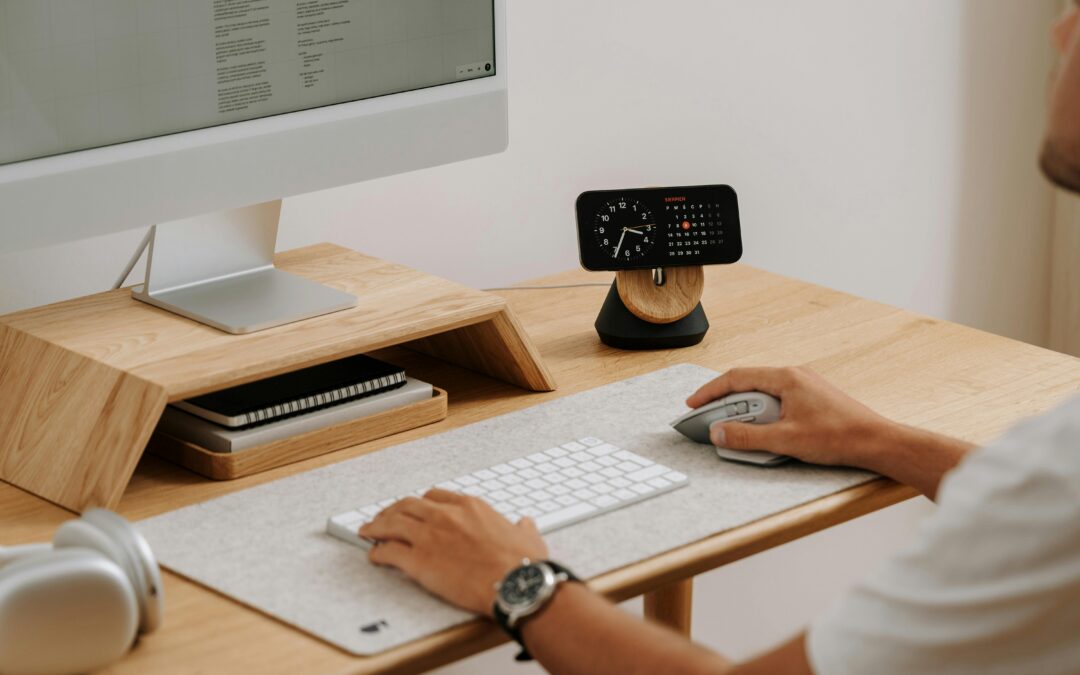

In 2026, your home network is no longer just a conduit for streaming and social media. It is the central nervous system of modern life, a critical infrastructure supporting remote workstations, AI-powered smart home ecosystems, immersive telepresence, and a constellation of personal and professional IoT devices.
Yet, for many, this vital system remains a mysterious black box—a tangle of cables and blinking lights installed by an ISP technician years ago. This reliance on outdated, generic hardware represents a significant vulnerability and a performance bottleneck. The empowering truth is that designing and deploying a secure, robust, and future-ready home network is an achievable DIY project that doesn’t require a capital allocation fit for a corporate IT department. This guide provides a strategic blueprint for building a digital foundation that prioritizes security, performance, and intelligent control, all while remaining acutely budget-conscious.
The 2026 Landscape: Why Your Current Setup is Obsolete
The default router provided by your Internet Service Provider (ISP) is, in most cases, the weakest link in your digital chain. Engineered for mass deployment and basic connectivity, these devices often lack the processing power for modern encryption, the granular controls for sophisticated segmentation, and the firmware support necessary to patch emerging vulnerabilities. With the proliferation of Wi-Fi 6E and the impending rollout of Wi-Fi 7, which utilizes expansive new radio spectrum, older hardware is fundamentally incapable of delivering the low-latency, high-bandwidth experience required for applications like 8K video collaboration, cloud gaming, and real-time smart home automation. Furthermore, the average home now hosts over 25 connected devices, a figure that continues to climb. A DIY approach allows you to architect a network that scales with this growth, turning a potential point of friction into a seamless, managed asset.
Phase 1: Strategic Planning and Core Hardware Acquisition
Before purchasing a single component, map your digital terrain. Conduct a brief audit: list all devices, their locations, and their criticality. A security camera and a work laptop demand priority over a smart light bulb. This informs your hardware strategy.
Choosing Your Network Topology: The Modern Triad
The era of a single, all-in-one wireless router is over for the performance-conscious user. The recommended architecture for 2026 is a modular triad:
- Modem: Your gateway to the internet. Ensure it is compatible with your ISP’s service tier (e.g., DOCSIS 3.1 for cable, a capable ONT for fiber). Consider purchasing your own to avoid monthly rental fees—a move that often pays for itself within a year.
- Router (The Core Controller): This is the brain of your network. In 2026, prioritize routers that support at least Wi-Fi 6 (AX) and offer robust, user-friendly firewall and VLAN (Virtual Local Area Network) capabilities. Brands like Asus, TP-Link, and Netgear offer “prosumer” models with powerful, intuitive interfaces. For the ultimate in control and security, consider installing open-source firmware like OpenWrt on a compatible device.
- Access Point(s): For superior Wi-Fi coverage, especially in larger homes, dedicated Access Points (APs) are key. These can be hardwired back to your router, creating a unified wireless network (SSID). Boutique mesh Wi-Fi systems from brands like Eero, Ubiquiti, or Aruba Instant On offer a user-friendly alternative, though a wired backhaul is always superior to wireless mesh for performance.
Budget-Friendly Hardware Sourcing in 2026
Capital allocation need not be exorbitant. The previous generation of hardware (Wi-Fi 6 routers, for instance) now represents tremendous value as vendors clear inventory for Wi-Fi 6E and Wi-Fi 7 devices. Reliable, refurbished enterprise-grade equipment from companies like Ubiquiti or Cisco Small Business can be sourced from authorized resellers, offering industrial stability at a fraction of the cost. The key is to invest in the router first, as it governs security and traffic flow; Wi-Fi coverage can be enhanced incrementally with added Access Points.
Phase 2: The Installation and Foundational Security Protocol
With hardware in hand, the physical deployment is straightforward. Place your router centrally, away from obstructions and interference from appliances like microwaves. Use Ethernet cables—Cat 6 or better—for any stationary, high-value device: your work computer, network-attached storage (NAS), or primary media console. This practice, known as “backhauling,” frees up wireless bandwidth and provides a faster, more stable connection.
Non-Negotiable Security Configurations
Upon first login to your new router’s admin panel (accessed via a web browser), immediately execute these critical steps:
- Change Default Credentials: Use a strong, unique password for the admin account, managed by a password manager.
- Update Firmware: Ensure all hardware is running the latest firmware to patch security flaws.
- Create a Segmented Network with VLANs: This is your most powerful security tool. Create separate virtual networks for distinct device classes: one for trusted devices (laptops, phones), one for IoT devices (smart speakers, cameras), and a guest network. This isolates a compromised smart fridge from your financial data.
- Enable WPA3 Encryption: If your hardware supports it, mandate WPA3 for your Wi-Fi. If not, use WPA2-Personal (AES). Disable outdated WPS (Wi-Fi Protected Setup).
- Disable Remote Administration: Ensure you cannot access your router’s admin panel from the public internet, a common attack vector.
Phase 3: Advanced Management and Performance Optimization
With a secure foundation, you can now optimize for performance and intelligence.
How Can I Prioritize Bandwidth for Critical Applications?
Modern routers feature Quality of Service (QoS) or “Gaming/Streaming” accelerators. Use these tools to prioritize traffic from your video conferencing software or work laptop over other, less critical downloads. This prevents a family member’s 4K movie stream from degrading your important video call.
Implementing a Whole-Home Ad and Threat Blocker
For a modest ongoing investment, consider deploying a network-level ad and malware blocker like Pi-hole or subscribing to a premium DNS filtering service such as NextDNS or Control D. By configuring your router to use these DNS servers, you can block ads, trackers, and known malicious domains for every device on your network, enhancing privacy, security, and even page load speeds.
The Role of a Network-Attached Storage (NAS) Device
For those with extensive media libraries or a need for centralized, redundant data storage, integrating a NAS like those from Synology or QNAP transforms your network. It can serve as a private cloud, a media server, and a backup destination for all household devices. Place it on your trusted VLAN and ensure it is configured with strong access controls and regular security updates.
Phase 4: Proactive Maintenance and Future-Proofing
A network is not a “set-and-forget” appliance. Schedule quarterly reviews to check for firmware updates, audit connected devices, and review firewall logs if available. Monitor performance using speed tests and diagnostic tools within your router’s interface. As you consider adding new local bespoke smart home integrators for advanced automation, ensure their proposed devices can be properly segmented on your IoT VLAN.
When to Consider Professional IT Consulting Services
While this guide empowers you to handle 95% of home networking needs, certain scenarios may warrant professional insight. If you are implementing advanced homelab projects, require complex site-to-site VPNs, or are building a new home and need structured cabling installed in-wall, engaging a local professional IT consulting service for a few hours of configuration review or physical installation can be an excellent capital allocation to ensure optimal results.
Conclusion: Reclaiming Control of Your Digital Domain
Building your own home network in 2026 is an act of both practical utility and digital sovereignty. It moves you from being a passive consumer of a commoditized service to an active architect of a secure, high-performance environment tailored to your life’s demands. The initial investment of time and capital—often comparable to or less than the cumulative rental fees for inferior ISP hardware—pays continuous dividends in reduced vulnerability, enhanced performance for remote work and entertainment, and the profound peace of mind that comes from understanding and controlling a pivotal piece of your modern infrastructure. In an era where our digital and physical lives are inextricably fused, a robust, self-managed home network is not a luxury; it is the essential, secure foundation upon which a connected future is built.
Photo Credits
Photo by Mateusz Haberny on Pexels