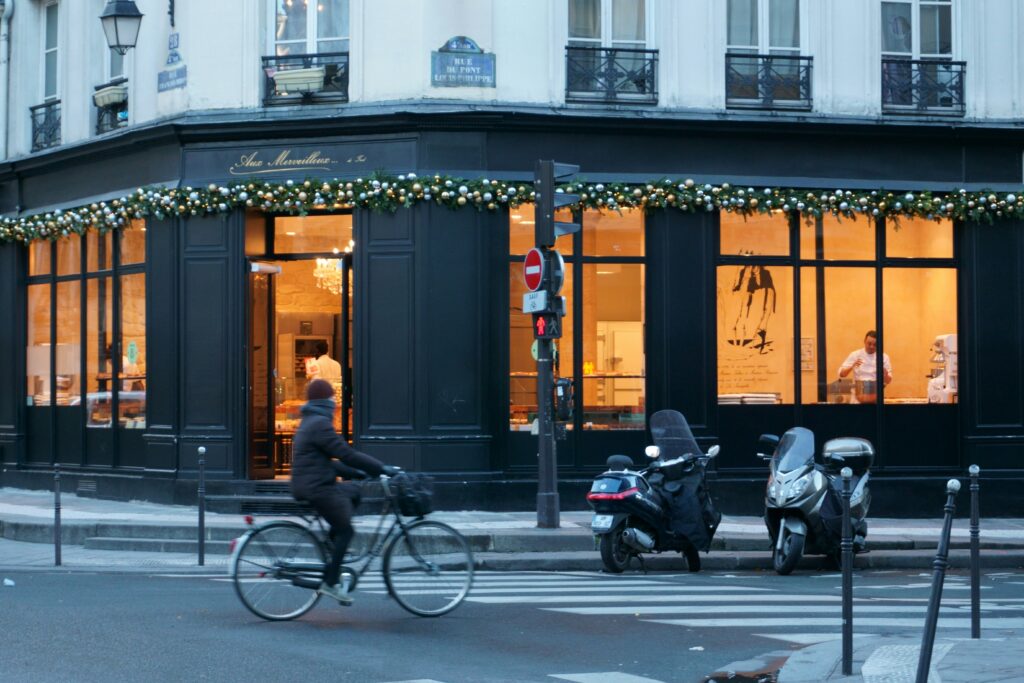
This shift is driven by a new class of traveler—one who values time as the ultimate currency. They are looking for efficiency in logistics so they can have spontaneity in experience. This means the old methods of planning are obsolete. If you are still relying solely on generic aggregator sites to book your 2026 summer escape, you are likely leaving value on the table—both in terms of experience and financial efficiency. We are moving into an era where the how of your journey is just as important as the where.
The New Currency of Travel: Time and Access
In the past, luxury was defined by thread counts and Michelin stars. Today, it is defined by access and the elimination of friction. The wealthiest travelers I speak with are less concerned about the cost of a suite and far more concerned about skipping the line at the Louvre or securing a private viewing of a restored villa that isn’t open to the public. This is where the role of the intermediary has evolved.
The days of the traditional travel agent are gone, replaced by the rise of high-end concierge travel services that operate like intelligence agencies. These firms don’t just book tickets; they have “fixers” on the ground in destinations from Marrakech to Kyoto who can make the impossible happen on 24 hours’ notice. For the discerning traveler, this is no longer a luxury; it is a necessity. When you are navigating complex geopolitical climates or simply trying to secure a last-minute reservation at a restaurant that books out six months in advance, having a dedicated team is the only way to guarantee a stress-free experience.
Capital Allocation: Where to Spend and Where to Save
Let’s talk about the financial architecture of a high-end trip. It is a common misconception that a luxury journey requires you to spend lavishly on every single component. In fact, the 2026 philosophy is about strategic capital allocation. You should be willing to “overpay” for the things that matter—privacy and proximity—and “underpay” for the things that don’t.
For instance, consider your accommodations. While the ultra-wealthy might default to the iconic five-star chains, the smarter play is often the boutique luxury hotels in your chosen destination. These properties offer a level of character and personalized service that large chains often struggle to replicate. They are frequently located in historic buildings in the heart of the city, offering a proximity that saves you hours of transit time—hours you can spend actually enjoying your vacation. That is the true ROI.
However, the financial strategy doesn’t end with the hotel booking. The way you handle your travel expenditures matters. Gone are the days of carrying wads of cash or relying on standard bank cards that charge exorbitant foreign transaction fees. The modern traveler needs to be savvy about their financial toolkit.
Why Your Wallet Matters as Much as Your Passport
This is where the conversation turns to the financial instruments you carry. In 2026, the choice of payment method is a strategic decision. The market has seen a significant uptick in premium rewards cards designed specifically for the globetrotter. These aren’t just about earning points; they are about providing comprehensive insurance and access.
When you book a high-value itinerary, you need robust protection. I’ve seen too many travelers lose thousands on non-refundable bookings due to unforeseen circumstances. This is why I advise looking into luxury travel insurance providers that offer “cancel for any reason” clauses. While standard credit cards offer some protection, they often fall short on medical evacuation or high-limit baggage delays. The top-tier cards now partner with these insurers to offer a seamless safety net. If your luggage containing irreplaceable gear is delayed, or if you need an emergency medical transport from a remote safari lodge, you want to know that your coverage is as robust as your itinerary. It’s not just about spending; it’s about protecting your capital and your health.
Asking the Right Questions: The 2026 Traveler’s Checklist
To navigate this complex ecosystem, you have to ask better questions. The search queries we see from high-net-worth individuals are changing. Instead of “hotels in Paris,” they are asking, “What are the best private art tours in the Marais?” This specificity is key to unlocking the best experiences.
What Are the Hidden Costs of “All-Inclusive” Luxury?
This is a critical question. The term “all-inclusive” has been co-opted by the mass market, but in the luxury segment, it takes on a different meaning. Often, “all-inclusive” at a high-end resort means your food and drinks are covered, but the truly transformative experiences—the private yacht charter, the helicopter transfer, the personal photographer—are billed separately. When planning your budget, ask your concierge service for a “worst-case scenario” cost breakdown. You want to know the full picture upfront. It is often more financially prudent to book a room-only rate and pay separately for the experiences you actually want, rather than paying a premium for an “inclusive” package that includes amenities you will never use.
How Do You Navigate the Rise of “Set-Jetting” and Overtourism?
By 2026, the impact of “set-jetting”—traveling to locations featured in popular films and shows—has created significant overcrowding in certain hotspots. The savvy traveler is now looking for the “anti-set-jet” experience. This is where local expertise becomes invaluable. A great local bespoke tour operator can show you the hidden gems that aren’t on social media. They can take you to a trattoria in Tuscany where the owner still makes pasta by hand, or arrange a private viewing of a street art installation in Berlin with the artist themselves. This is the antidote to the sterile, crowded tourist trail.
The Logistics of Seamless Movement
Once you have the accommodation and the experiences sorted, the final piece of the puzzle is transportation. This is often the most stressful part of travel, and it is where you should invest heavily to ensure a smooth journey.
Is the Private Chauffeur Worth the Premium?
Absolutely. In a post-pandemic world, hygiene and privacy are paramount. Relying on ride-sharing apps or public transport can be unpredictable and often uncomfortable. Arranging for private chauffeur services at your destination is not just about vanity; it is about efficiency. Your driver is not just a driver; they are often a local guide who knows the traffic patterns, the best routes, and can offer valuable insights about the neighborhoods you are passing through. They are the first line of defense against the chaos of a foreign airport and the stress of navigating unfamiliar roads. This service ensures you arrive at your meetings or your dinner table calm, composed, and on time.
Key Takeaways for the 2026 Traveler
To distill this down to actionable advice, here is what the next 12 months of travel should look like for you:
– Prioritize the Experience Economy: Invest in access and expertise over material upgrades. A private tour with a historian will outlast the memory of a larger suite.
– Build Your Financial Toolkit: Ensure your wallet is as well-traveled as you are. This means having a premium rewards card that offers zero foreign transaction fees and high-level travel insurance, and supplementing it with a policy from a top-tier luxury travel insurance provider for comprehensive coverage.
– Go Hyper-Local: Seek out boutique luxury hotels and independent operators. They are the custodians of authentic culture and provide a level of service that is unobtainable in large-scale hospitality.
– Hire a General Contractor for Your Trip: Use concierge travel services to handle the logistics. The cost is often offset by the time you save and the pitfalls you avoid.
The Future of Luxury is Quiet and Curated
The world is vast and complex, but with the right strategy, it is also incredibly accessible. The tools and services available today allow you to move through the world with grace, efficiency, and a deep sense of connection. It’s time to stop planning trips and start designing experiences. The investment is significant, but the return—in memories, in knowledge, and in the sheer joy of a seamless journey—is priceless.
Photo Credits
Photo by Sandro Cenni on Unsplash