
For decades, the humble password stood as the primary gatekeeper to our digital and physical worlds. But by 2026, that era has decisively ended, ushered out by a wave of sophisticated, seamless, and sometimes unsettling, biometric technology.
What began as a fingerprint scanner on a smartphone has evolved into a pervasive ecosystem of authentication, weaving itself into the very fabric of daily commerce, governance, and personal security. From authorizing multimillion-dollar wire transfers with a glance to unlocking your front door with the sound of your voice, biometrics are no longer a futuristic novelty—they are the foundational layer of trust in a hyper-connected society. This shift represents more than mere convenience; it is a fundamental renegotiation of the relationship between identity, privacy, and access, raising profound questions even as it solves age-old problems of fraud and intrusion.
The Financial Frontier: Where Your Body is Your Bond
The financial sector, perpetually locked in an arms race against sophisticated fraud, has been the most aggressive adopter of biometric security. In 2026, the concept of a “password” for your bank account feels as archaic as a paper check. The integration has moved far beyond simple fingerprint logins for mobile apps.
Leading premier private wealth management firms and high-net-worth digital banking platforms now employ continuous authentication protocols. These systems use behavioral biometrics—analyzing the unique way you hold your phone, your typing rhythm, and even your navigation patterns—to create a silent, ongoing verification score. A deviation, such as a transaction initiated from an unfamiliar location or with atypical speed, triggers a step-up authentication, often a 3D vein pattern recognition scan or a liveness-detecting facial authentication system. This invisible layer of security means that even if a device is stolen, the capital allocation power remains tied inextricably to the individual.
Practical Implications for the 2026 Consumer
For the average user, this manifests in dramatically streamlined yet more secure experiences. Opening a new account with a top-tier online investment broker can be completed in minutes via a video call that verifies your face and a government ID simultaneously. Contactless payments at point-of-sale have evolved; instead of tapping a card, you simply pause for a fraction of a second as a discreet sensor, often integrated into the terminal itself, confirms your identity. The era of memorizing PINs for premium rewards credit cards or worrying about card skimmers is fading into obsolescence. Your biometric signature is becoming the ultimate token, one that cannot be left on a restaurant table or cloned from a magnetic strip.
Securing the Perimeter: Your Home in the Biometric Age
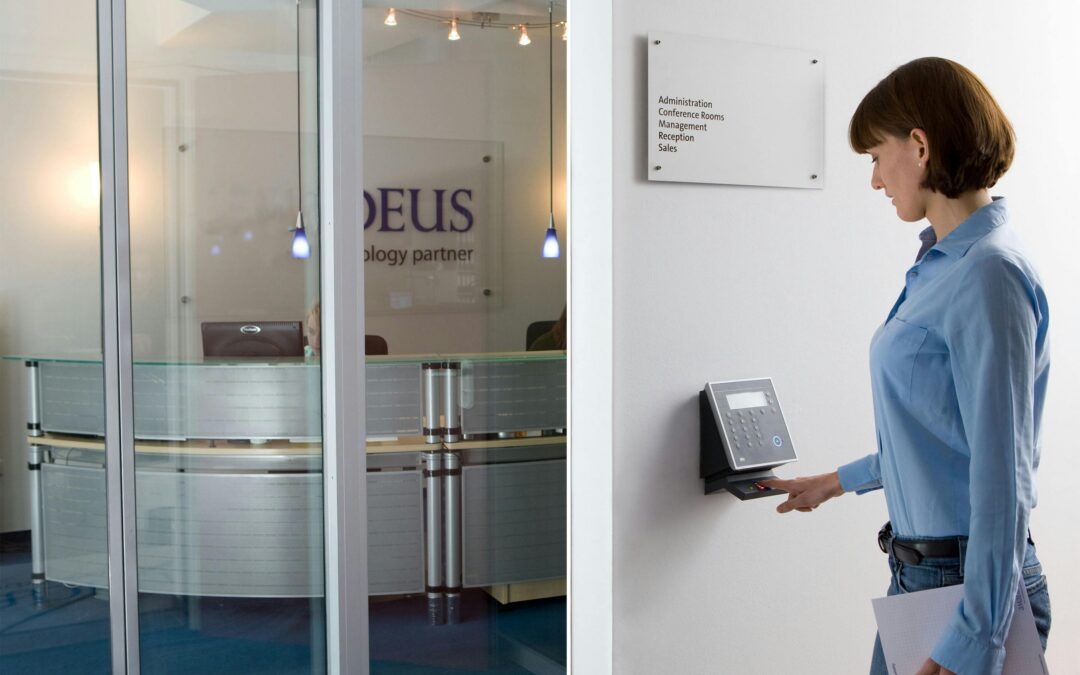
Parallel to the revolution in finance, the physical security of our homes and workplaces has undergone a biometric transformation. The smart lock market, once dominated by keypads and Bluetooth fobs, is now defined by integrated biometric systems. The front door has become a critical node in the personal security network.
Modern bespoke home security system integrators no longer just sell alarms; they design identity-aware environments. A typical high-end installation might feature a door lock with a capacitive fingerprint reader that distinguishes live tissue from replicas, paired with a wide-angle camera performing passive facial recognition. The system doesn’t just unlock the door; it announces, “Welcome home, Sarah,” to verified family members while sending a silent alert to a homeowner’s phone if an unrecognized face lingers on the porch. This technology is also being leveraged by luxury vacation rental property management companies, who provide guests with unique, temporary biometric access profiles, eliminating the hassles and risks of physical key exchanges.
Beyond the Front Door: The Integrated Biometric Habitat
The integration extends indoors. Residential biometric safes for valuables, medication, or firearms are now commonplace, accessible only via a pre-registered fingerprint or iris scan. Even domestic utilities are getting in on the act; some high-efficiency water systems use facial recognition to personalize shower temperature and flow settings for different family members. This creates a seamless, personalized, and secure habitat, but it also centralizes an unprecedented amount of personal data within the home ecosystem, a point of significant consideration for privacy-conscious individuals.
The Underlying Technology: What Makes It All Work in 2026
The reliability of today’s biometrics stems from a convergence of advanced technologies. Early systems that could be fooled by photographs or silicone fingerprints are relics of the past. The current gold standard revolves around liveness detection and multimodal biometrics.
- Liveness Detection: Systems now analyze micro-details—the subtle pulse of blood vessels under the skin (using photoplethysmography), involuntary micro-expressions, or the specific way light reflects off a living eye—to ensure the source is a living, present human.
- Multimodal Fusion: Rather than relying on a single biometric factor, secure systems combine several. For instance, a smartphone might simultaneously analyze your face and the unique pattern of veins in your palm for high-value transactions. This layered approach drastically reduces error rates and spoofing potential.
- On-Device Processing: A critical development for privacy is the shift to local processing. Your fingerprint or facial map is now encrypted and stored solely within a secure enclave on your own device (like a smartphone or door lock processor), not on a corporate server. Authentication happens locally, meaning your biometric template never traverses the network, mitigating the risk of mass data breaches.
The Critical Balance: Convenience, Security, and the Privacy Paradox
As with any powerful technology, the biometric revolution is not without its dilemmas. The very permanence of biometric data is its greatest strength and its most significant vulnerability. You can change a password; you cannot change your iris pattern. The centralization of such sensitive data creates high-value targets for cybercriminals. Furthermore, the proliferation of biometric sensors raises legitimate concerns about surveillance, function creep, and informed consent.
In 2026, the regulatory landscape is struggling to catch up. Forward-thinking cybersecurity compliance consultants advise clients on frameworks that go beyond passwords, emphasizing data minimization (collecting only what is necessary), strict user consent protocols, and transparent data lifecycle policies. The most trusted brands in the space are those that champion privacy-by-design biometric solutions, offering users clear controls over what data is collected, how it is used, and the ability to delete it permanently.
The Road Ahead: Biometrics in the Next Decade
Looking forward, the trajectory points toward even more seamless and passive authentication. Research is advancing in areas like gait analysis (identifying individuals by their walk), heartbeat signature authentication via radar sensors, and even brainwave pattern recognition. The goal is a world of “ambient security,” where your presence and identity are continuously, unobtrusively verified, enabling interactions with devices, vehicles, and environments without a single conscious authentication act.
However, this future hinges on solving the privacy and equity challenges of today. Public acceptance will depend on robust legal protections, clear corporate accountability, and the continued development of decentralized, user-centric models of biometric data control. The question for 2026 and beyond is not if biometrics will become ubiquitous—they already are—but how we will govern them to ensure they enhance freedom and security without eroding the very privacy they are meant to protect.
Conclusion
The journey from banking to the front door illustrates a complete paradigm shift in security. Biometrics have moved from niche applications to the core infrastructure of trust in modern society. They offer an irresistible combination of ironclad security and frictionless convenience, effectively combating fraud while simplifying daily life. Yet, as we embrace a world where our physical selves become the ultimate key, we must navigate with caution. The choices made today by policymakers, enterprise security architects, and consumers will determine whether this powerful technology becomes a tool for unparalleled personal autonomy or a vector for unprecedented control. In 2026, securing our assets and our homes is increasingly synonymous with securing our very identities.
Photo Credits
Photo by Susanne Plank on Pexels