
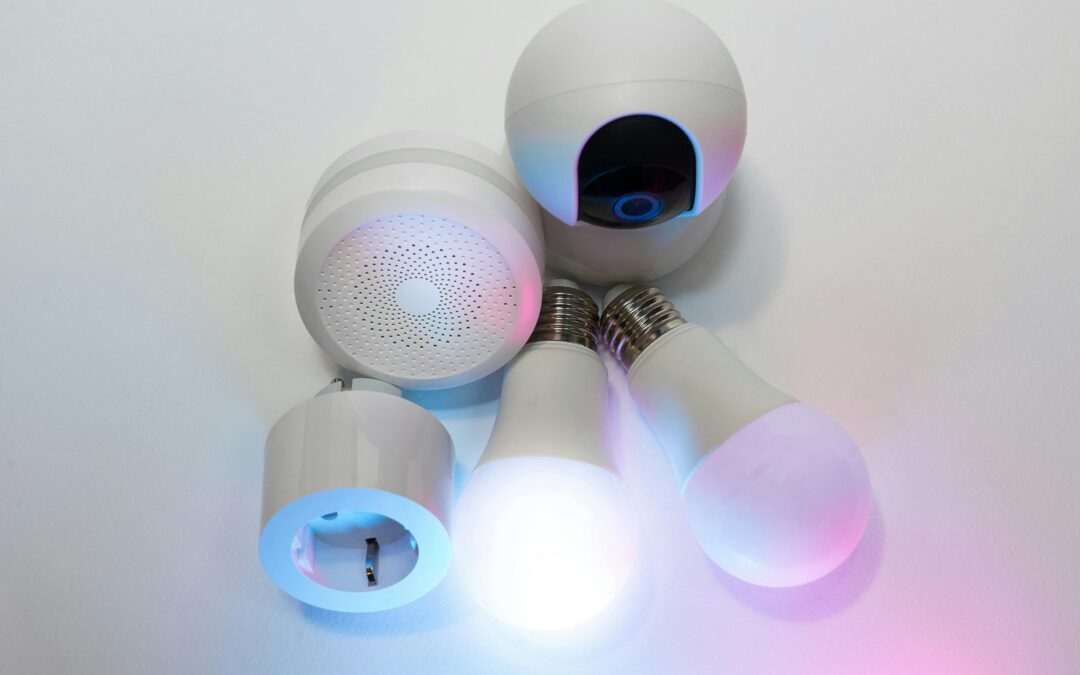

For the finance professional, the home is more than a sanctuary; it’s a portfolio of assets, a ledger of operational expenses, and a statement of personal efficiency. The allure of the fully integrated smart home, once the domain of tech moguls and speculative futurism, has matured into a tangible market of interoperable devices.
Yet, the perceived capital outlay can trigger an instinctive risk assessment: is this a depreciating luxury or a value-adding investment? In 2026, the answer, for the strategic thinker, is decisively the latter. Building a sophisticated, DIY smart home is no longer about frivolous gadgetry but about deploying capital to enhance security, optimize energy consumption, and create genuine lifestyle arbitrage—all while adhering to the disciplined principles of a sound financial plan.
The Foundational Thesis: Protocol Over Product
Every successful investment begins with a thesis, and in the smart home arena, that thesis is connectivity protocol. The market’s early chaos of walled gardens and proprietary standards has, through consumer demand, consolidated around two dominant, interoperable protocols: Matter and Thread. Think of Matter as the universal regulatory framework—a language ensuring devices from different manufacturers can communicate. Thread is the high-speed, low-latency trading floor—a mesh network that makes communication reliable and swift. A finance professional’s first capital allocation must be to a robust, dual-protocol smart home hub, such as the latest generation Apple HomePod or a dedicated Hubitat Elevate. This hub is your central command, your portfolio manager; it’s a non-negotiable foundation that prevents vendor lock-in and ensures long-term portfolio (read: device) flexibility.
Prioritizing ROI: The Tiered Deployment Strategy
Capital deployment should be phased, targeting areas with the highest tangible returns. This isn’t about impulse buys during a Prime Day sale; it’s a calculated series of investments.
Tier 1: Security & Risk Mitigation (Immediate ROI)
This is your defensive allocation. A smart lock from a reputable brand like Yale or Schlage, compatible with Matter, eliminates the risk and cost of physical key loss and provides granular access logs—ideal for managing premium property management services or contractor visits. Pair this with a modern video doorbell (e.g., from Reolink or Google Nest) featuring package detection and high-resolution imaging. The combined effect is a dramatic reduction in insurable risks, potential insurance premium discounts, and priceless peace of mind. The upfront cost is amortized over years of enhanced security.
Tier 2: Energy & Utility Optimization (Recurring ROI)
Here, you attack the operational expenses on your personal balance sheet. Smart thermostats, like the Ecobee Premium or Google Nest Learning Thermostat, have evolved into true energy management platforms. They learn patterns, leverage geofencing, and can integrate with local utility demand-response programs, directly lowering your largest variable home cost. Similarly, smart plugs and in-wall switches (Lutron Caséta remains a gold standard for reliability) allow you to eliminate phantom loads from entertainment centers and office equipment. The data these devices provide—trackable in apps—turns abstract utility bills into a manageable, optimizable dataset.
Tier 3: Lifestyle Arbitrage & Productivity Enhancement (Qualitative ROI)
With core infrastructure in place, allocate capital to assets that buy back your most valuable commodity: time. Smart lighting systems (Philips Hue or Nanoleaf Essentials) that automate morning wake-ups and evening wind-downs improve circadian health. A robot vacuum from premium home automation integrators like Roborock or iRobot that self-empties and mops creates hours of reclaimed leisure or focus time weekly. For the professional working from a home office, smart motorized blinds that adjust based on sun position reduce glare on monitors and manage thermal gain. The return is measured in enhanced well-being and productivity, a critical intangible asset.
Advanced Portfolio Management: Automation as the Alpha
Individual devices are merely securities; the true alpha is generated through automation—the algorithmic trading strategy of your smart home. Modern hubs allow for the creation of sophisticated “scenes” and “routines” that execute based on conditions. This is where the system’s intelligence surpasses the sum of its parts.
Practical Example: The “Depart for Office” Routine. A single command or automated geofence trigger can: secure all smart locks, lower the thermostat to an eco-mode, turn off all non-essential lights and plugs, activate the robot vacuum, and arm the security system. This isn’t convenience; it’s operational perfection, eliminating cognitive load and ensuring consistent, error-free management of your home’s state.
Practical Example: The “Energy Sentinel” Automation. Using sensor data, create a rule: “If all smart locks are locked AND motion sensors detect no activity for 60 minutes, THEN lower the thermostat by 4 degrees and turn off all lights in zones A, B, and C.” This creates genuine energy savings without a single conscious thought.
Navigating the Market: Due Diligence for Device Acquisition
A savvy investor performs due diligence. In 2026, this means:
- Check for the Matter Logo: This is your primary filter. It future-proofs your purchase.
- Research Integration Depth: Does the device offer deep functionality within your chosen hub’s ecosystem (Apple Home, Google Home, Amazon Alexa), or is it a “dumb” on/off switch? Boutique smart home consultants often publish detailed integration reviews.
- Analyze Total Cost of Ownership (TCO): Consider subscription fees. Many security cameras and advanced platforms require monthly plans for full feature access. Factor this into your IRR calculation.
- Start with a Single Ecosystem: While Matter enables cross-talk, managing automations is simpler within one primary hub ecosystem. Choose based on your existing tech portfolio (iPhone vs. Android) and stick to it for core logic.
The 2026 Outlook: AI and Predictive Integration
The frontier is predictive analytics. The next wave of hubs, leveraging on-device AI, won’t just respond to commands but anticipate needs. Imagine a system that, analyzing calendar data, local traffic, and your morning routine pace, subtly adjusts wake-up lighting and coffee machine start time to ensure a punctual, stress-free departure. It will learn that your post-workout preference is a cooler ambient temperature and enact it. This shift from reactive to predictive automation represents the final stage of value extraction—transforming your home from a managed asset into a proactive partner in daily efficiency.
Conclusion: A Rational Investment in Modern Living
For the finance professional, building a DIY smart home in 2026 is a demonstrably rational exercise. It requires the same disciplined approach as any portfolio construction: a strong foundational thesis (Matter/Thread), phased capital allocation based on clear ROI tiers (Security → Energy → Lifestyle), and active management through automation to synthesize value. The outcome is not a frivolous tech showcase but an optimized personal environment that mitigates risk, reduces recurring costs, and strategically reclaims time. It is, in the truest sense, an investment that pays dividends in security, efficiency, and personal capital—the most valuable currency of all.
Photo Credits
Photo by Jakub Zerdzicki on Pexels