
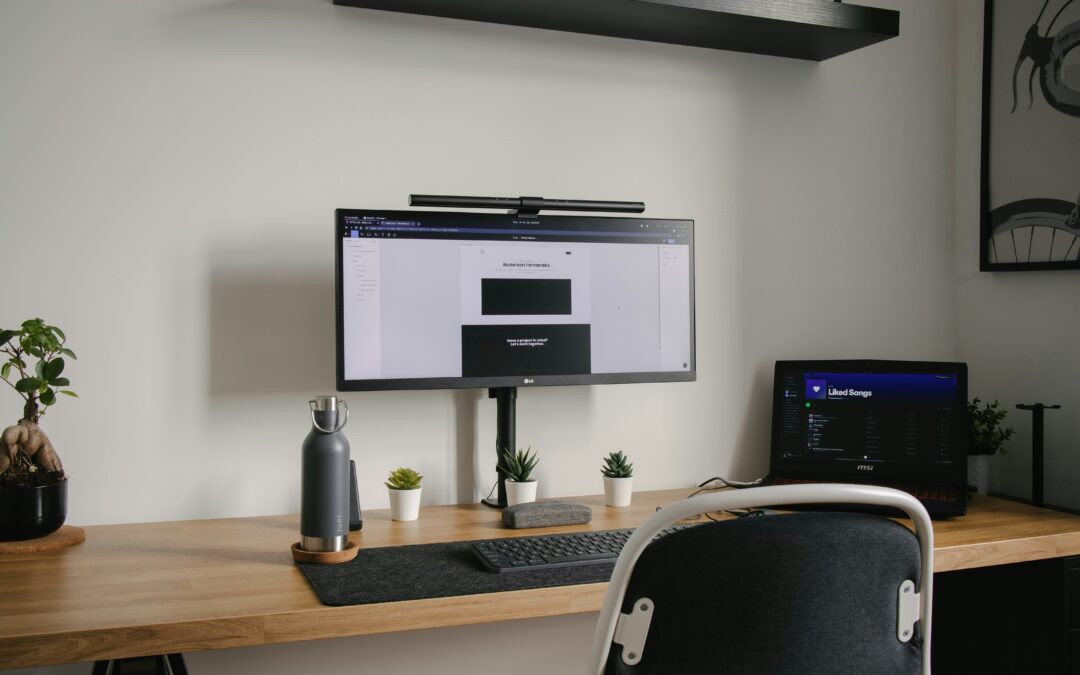

Beyond the Spreadsheet: The Evolution of the Financial Dashboard
Gone are the days of static Excel files and manually updated charts. The financial dashboards of 2026 are dynamic, AI-curated interfaces that aggregate data from a constellation of sources: traditional bank and brokerage accounts, decentralized finance (DeFi) protocols, digital asset wallets, business revenue platforms like Stripe or Shopify, and even real-time market sentiment indicators.
They don’t just display numbers; they interpret them. Predictive cash flow modeling, powered by machine learning, can forecast short-term liquidity needs with startling accuracy, while anomaly detection algorithms flag unusual transactions instantly. This isn’t a tool for passive observation—it’s an active co-pilot for your financial journey.
Key Components of a Modern Dashboard
To understand integration, one must first understand the dashboard itself. A best-in-class setup in 2026 typically features several core modules:
- Holistic Net Worth Tracker: A real-time aggregation of all assets (liquid, invested, physical) against liabilities.
- Cash Flow Engine: Visualizes income and burn rate across all accounts, with predictive trends for the next 30-90 days.
- Investment Performance Hub: Goes beyond basic returns to show risk-adjusted metrics, sector allocation, and tax-impact projections.
- Business Intelligence (BI) Integrations: For entrepreneurs, direct feeds from premium cloud accounting software and CRM systems, showing customer lifetime value (LTV) and customer acquisition cost (CAC) alongside profit margins.
- Macro Dashboard: A curated feed of key economic indicators, central bank announcements, and sector-specific news that could impact your portfolio or business.
The Integration Blueprint: Hardware, Software, and Mindset
Integrating these dashboards requires a thoughtful approach to both technology and environment. The goal is to make critical data glanceable without being distracting, and deeply accessible without friction.
Hardware Synergy: From Dedicated Monitors to Ambient Displays
The multi-monitor setup has evolved. While a dedicated vertical monitor for a persistent dashboard view remains a popular choice for active traders and CFOs, the trend in 2026 leans towards smarter, more ambient integration.
- Touch-Screen Command Centers: Large-format touch screens, like the Microsoft Surface Hub or high-end Android tablets mounted within arm’s reach, allow for interactive data exploration—zooming into charts, adjusting parameters, or drilling down into expense categories with a touch.
- E-Ink Sidekicks: For a minimalist, low-distraction approach, a dedicated e-ink display (think a large Kindle) can show key metrics—current net worth, daily P&L, top holding performance—in a static, paper-like format that refreshes only when data changes. This is perfect for maintaining deep focus.
- Smart Home Ecosystem Links: Imagine your Philips Hue lights gently pulsing a soft amber when a market index drops by a predefined percentage, or a subtle chime from your home assistant when a large invoice is paid. These bespoke IFTTT-style automation triggers create a sensory connection to your financial state without requiring you to look at a screen.
Software and Workflow Integration: The Digital Glue
Hardware is useless without seamless software. The key is API-driven connectivity and strategic placement within your digital workflow.
- Browser Workspace Anchors: Using browser tools like Sidekick or Station, your dashboard becomes a permanent, low-resource tab in a dedicated “finance” workspace, isolated from your research or communication tabs but always one click away.
- Desktop Widgets and macOS/iOS Continuity: Native desktop widgets (Windows, macOS) can display condensed dashboard views. With robust continuity features, you can start an analysis on your desktop and pick it up seamlessly on your iPad during a meeting.
- Centralized Aggregation Platforms: The question of “which financial dashboard software offers the best API for custom integrations?” is critical. Platforms like Tiller Money, Plaid-powered custom solutions, and enterprise-grade tools like Tableau or Microsoft Power BI are leading choices because they offer robust, secure connections and customizable outputs that can be fed into various hardware setups.
Operationalizing Intelligence: From Data to Decision
An integrated dashboard is not a trophy; it’s a tool. Its value is realized in daily operational habits and strategic pivots.
For the Investor: The Tactical Edge
The integrated dashboard transforms investing from a periodic activity to a monitored system. Automated rebalancing alerts can prompt action the moment your asset allocation drifts by 0.5%. A consolidated view of yield from dividends, staking rewards, and bond coupons across platforms simplifies tax planning. For those engaged with high-net-worth wealth management firms, the dashboard can serve as your personal briefing book before advisor calls, ensuring you’re discussing the most current, holistic picture.
For the Entrepreneur and Freelancer: The CFO in Your Corner
This is where integration pays its highest dividends. With your business’s financial dashboard embedded in your workspace, you move from reactive bookkeeping to proactive finance management.
- Real-Time Burn Rate Visibility: A live graph of monthly expenses against retained earnings removes the guesswork from hiring or capital expenditure decisions.
- Client Profitability at a Glance: Integrations with premium time-tracking and invoicing software like Harvest or QuickBooks Online can visually highlight which clients or projects are most profitable per hour, informing future business development.
- Scenario Planning: “What-if” models become effortless. Want to see the impact of hiring a new virtual assistant or subscribing to an enterprise SaaS tool? Adjust the variables on your dashboard and see the projected impact on cash flow instantly.
Security and Privacy: The Non-Negotiable Foundation
Concentrating your financial universe into one view creates a monumental security risk. In 2026, best practices are non-negotiable.
- Zero-Trust Data Aggregation: Only use dashboard platforms that employ a zero-trust architecture, meaning they never store your actual banking credentials. They use tokenized, read-only access via secure providers like Plaid.
- Physical Security: Your home office must have privacy screens on monitors visible to windows, and a strict policy of locking workstations. Consider a dedicated VLAN for your financial devices to segment them from less secure IoT gadgets.
- Biometric Authentication: Access to the primary dashboard should be guarded by hardware keys (Yubikey) or biometrics. Password managers are a basic prerequisite.
The Future-Proofed Financial Workspace
As we look ahead, integration will become even more profound. The emergence of spatial computing and advanced AR glasses will allow financial data to be layered over the physical world—viewing a company’s stock chart and recent news simply by looking at its product on your shelf. Voice-command AI assistants, trained solely on your financial data and goals, will provide conversational analysis and execute pre-authorized, routine tasks.
The integration of financial dashboards into the home office is the definitive marker of the modern financial operator. It demystifies complexity, accelerates decision-making, and instills a discipline of constant, informed awareness. It turns the abstraction of wealth and business performance into a tangible, manageable system. In 2026, your most powerful business asset isn’t just your intellect or your network—it’s your intentionally designed, seamlessly integrated command center, where every piece of data finds its purpose, and every insight prompts a calibrated action. The future of financial management isn’t just digital; it’s ambient, integrated, and intelligently orchestrated from the comfort of your own designed space.
Photo Credits
Photo by Nubelson Fernandes on Unsplash